Manos de Guerrero: the partnership architecture we are already proving on the ground
With New Ventures, Fomento Social Banamex, and Government of the State of Guerrero
Costa Chica, Guerrero Updated

What is Manos de Guerrero?
Manos de Guerrero is the partnership that activates the value chain of Guerrero’s folk art, operated alongside New Ventures, Fomento Social Banamex, and the Government of the State of Guerrero. Héroes Digitales joined as a field partner contributing what it brings to every community: the connectivity that makes digital training possible.
It is the same architecture we use to sponsor a connectivity hub: a territorial partner that opens the door, a patron that funds, a public institution that validates, and a program rooted in its craft.
Who participates?
The program is aimed at women artisans between the ages of 20 and 50 from semi-urban and rural communities in Guerrero. They combine their craft with farming or informal trade, use WhatsApp to talk with clients, and face three shared challenges: unstable income, low visibility beyond their community, and limited access to the digital tools needed to sell.
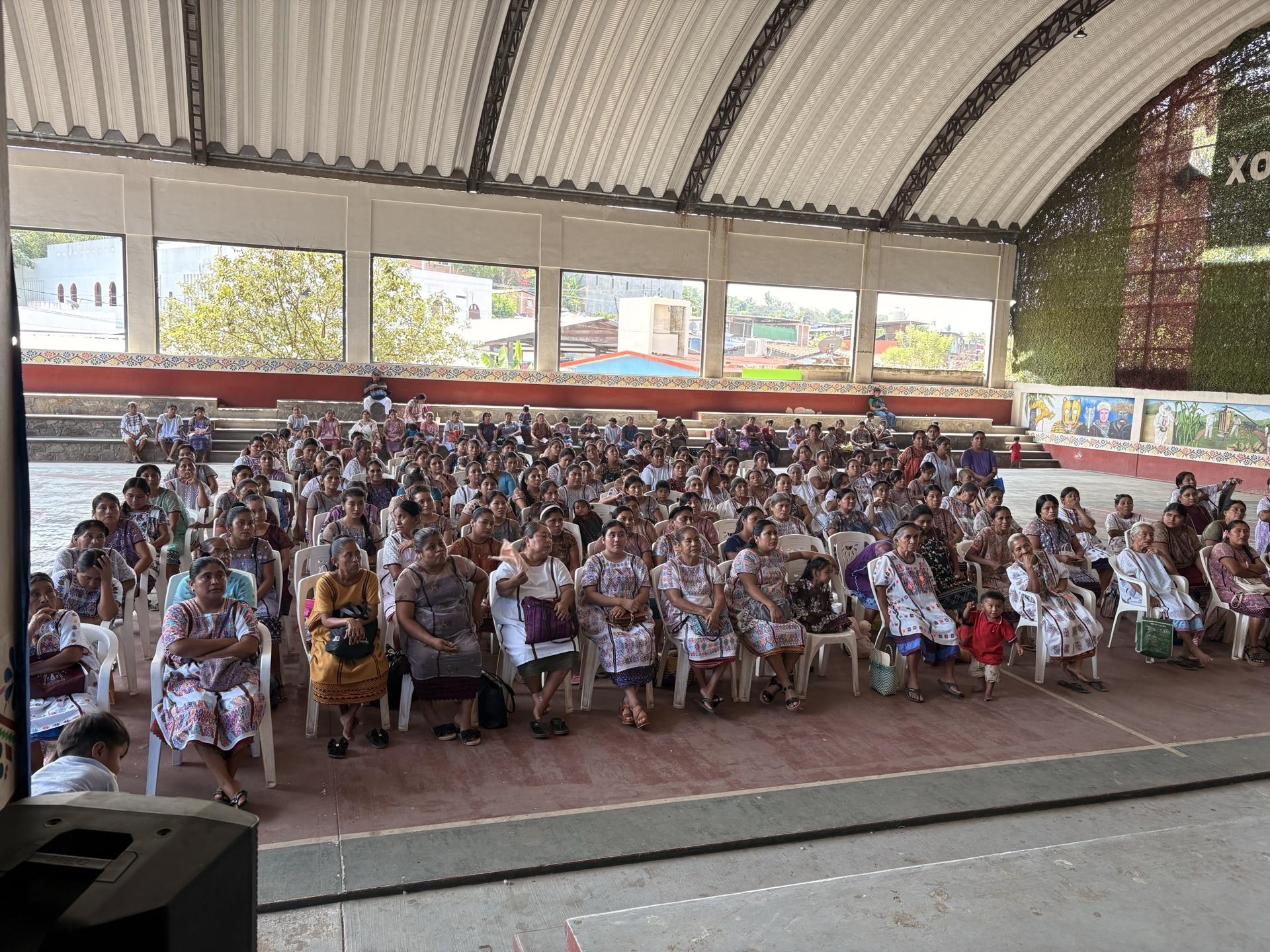
This edition reached 623 artisans across three municipalities:
- Tlacoachistlahuaca · Municipal Auditorium · April 17
- Ometepec, Zacualpan community · Commission Court · April 18
- Xochistlahuaca · Central Auditorium · April 19
How does the model work?
Manos de Guerrero combines three components:
- In-person workshops in each community: the moment of contact, where fear of the screen is broken and WhatsApp Business accounts are opened with human guidance.
- A 9-week digital microlearning track: short videos, audios, and infographics consumed from the phone, without interrupting caregiving and work routines.
- Closing events and commercial linkage: the step from “I learned” to “I sold.”
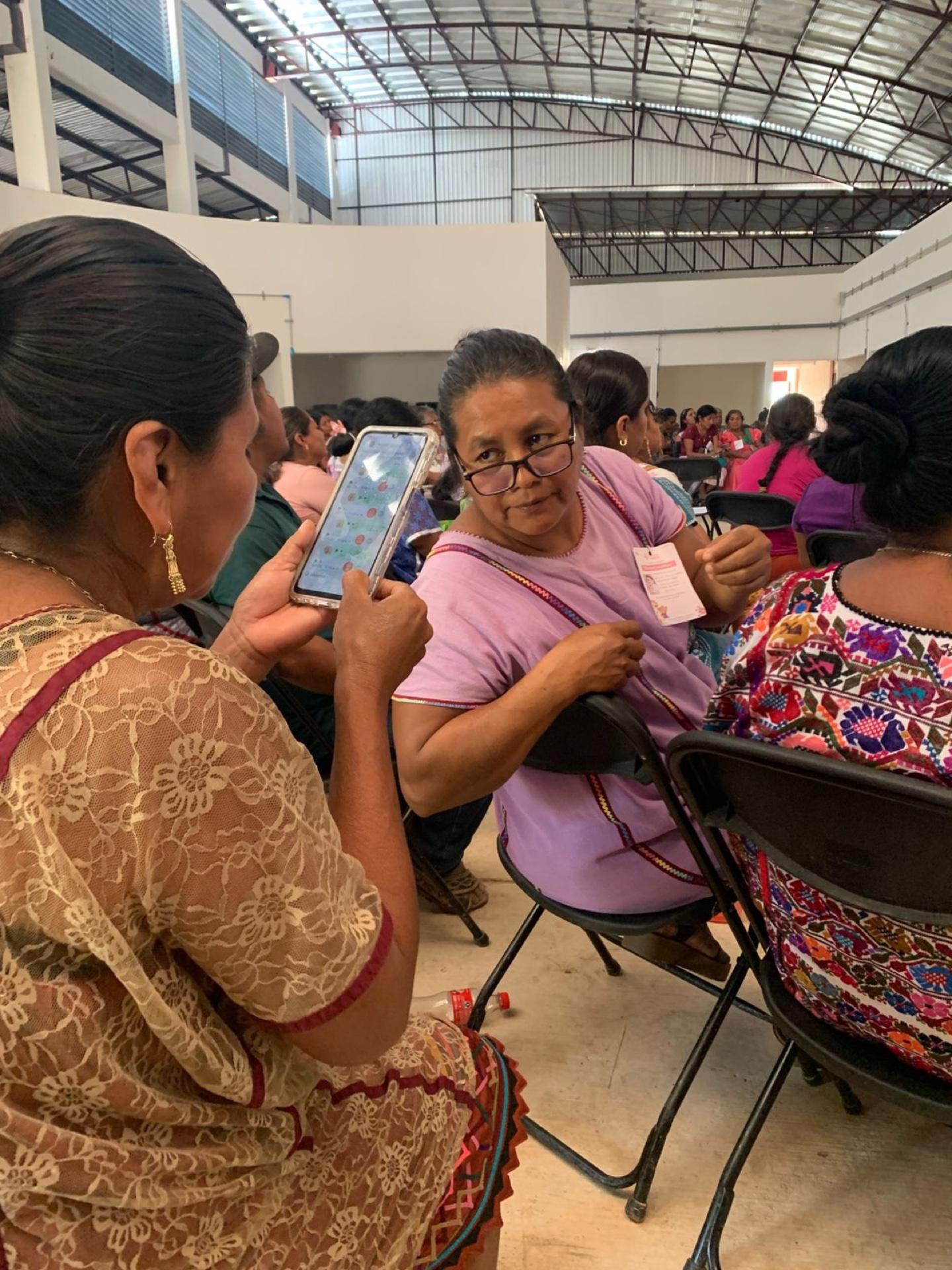
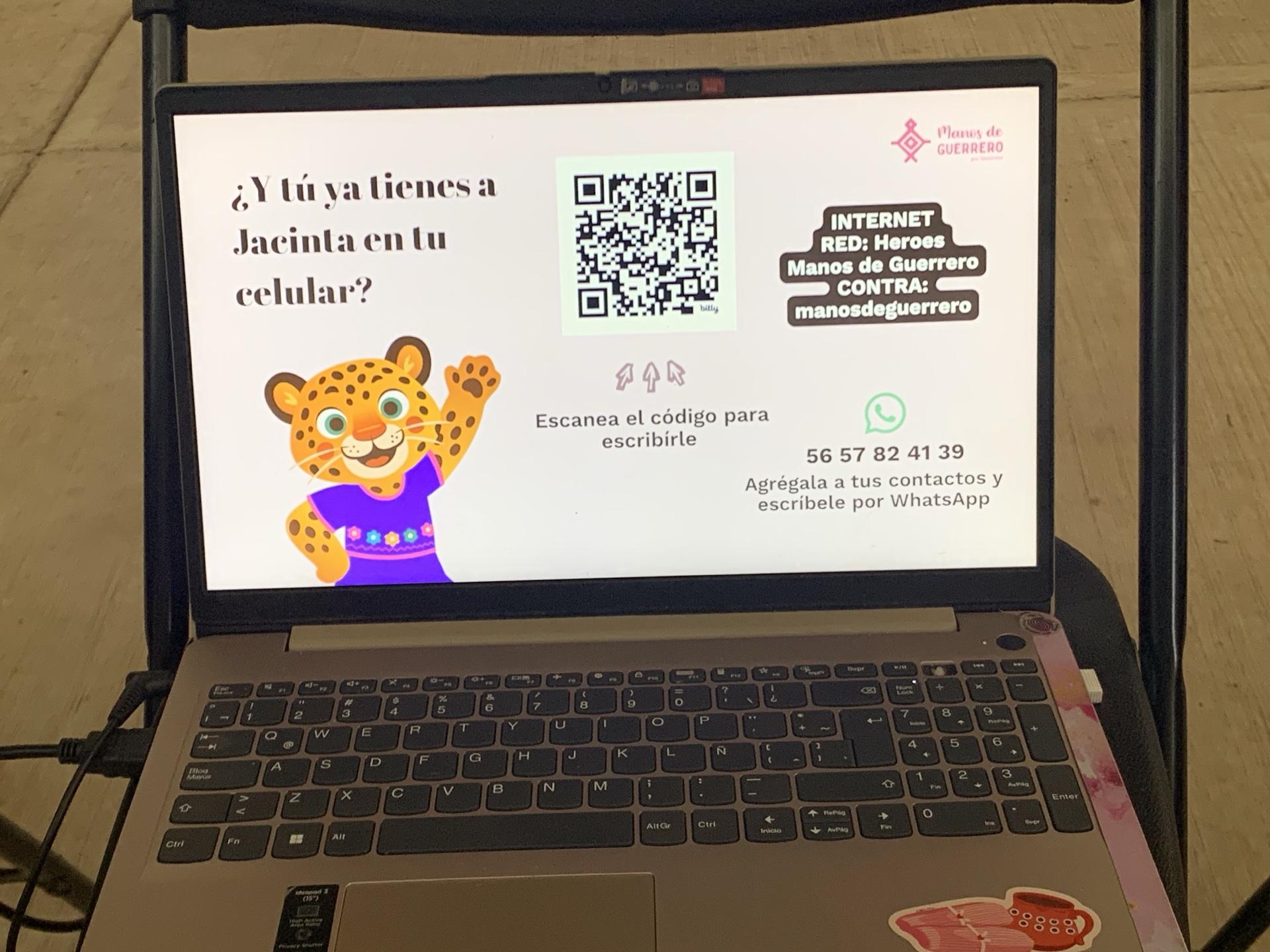
The program has Jacinta, a virtual assistant that lives on WhatsApp: she answers questions, shares program content, accompanies the learning process, and works even when artisans have limited internet access.
Why was connectivity part of what Héroes Digitales contributed?
Manos de Guerrero depends on WhatsApp and digital content for ongoing training. Without connectivity during the in-person workshops, it was hard to show the content, explain how to use Facebook or WhatsApp Business, register participants on digital platforms, and demonstrate the chatbot.
Bringing satellite connectivity into the three venues wasn’t an add-on: it was the enabling condition for the rest of the program to happen the same day. It is the same Pillar 1 we activate in any rural school, applied this time to an artisan’s workshop.
And it didn’t end that day. Héroes Digitales installed the equipment and keeps operating and maintaining the connectivity at the venues, so access stays available long after the workshop closed. That is the difference between a one-off intervention and a change that stays.
Coverage
unconnected.org, the organization that negotiates satellite access, documented this deployment on its blog: how connectivity made a nine-week program for 623 women artisans possible. It quotes Sergio Hermosillo, founder and director of Héroes Digitales, on why the work does not end once the antenna goes up.
Why does this case matter for the model?
The Foundation’s canonical document states that we never enter a community alone: we always arrive hand-in-hand with a territorial partner that already generates impact there and is trusted by the local community. In Guerrero, that partner is New Ventures.
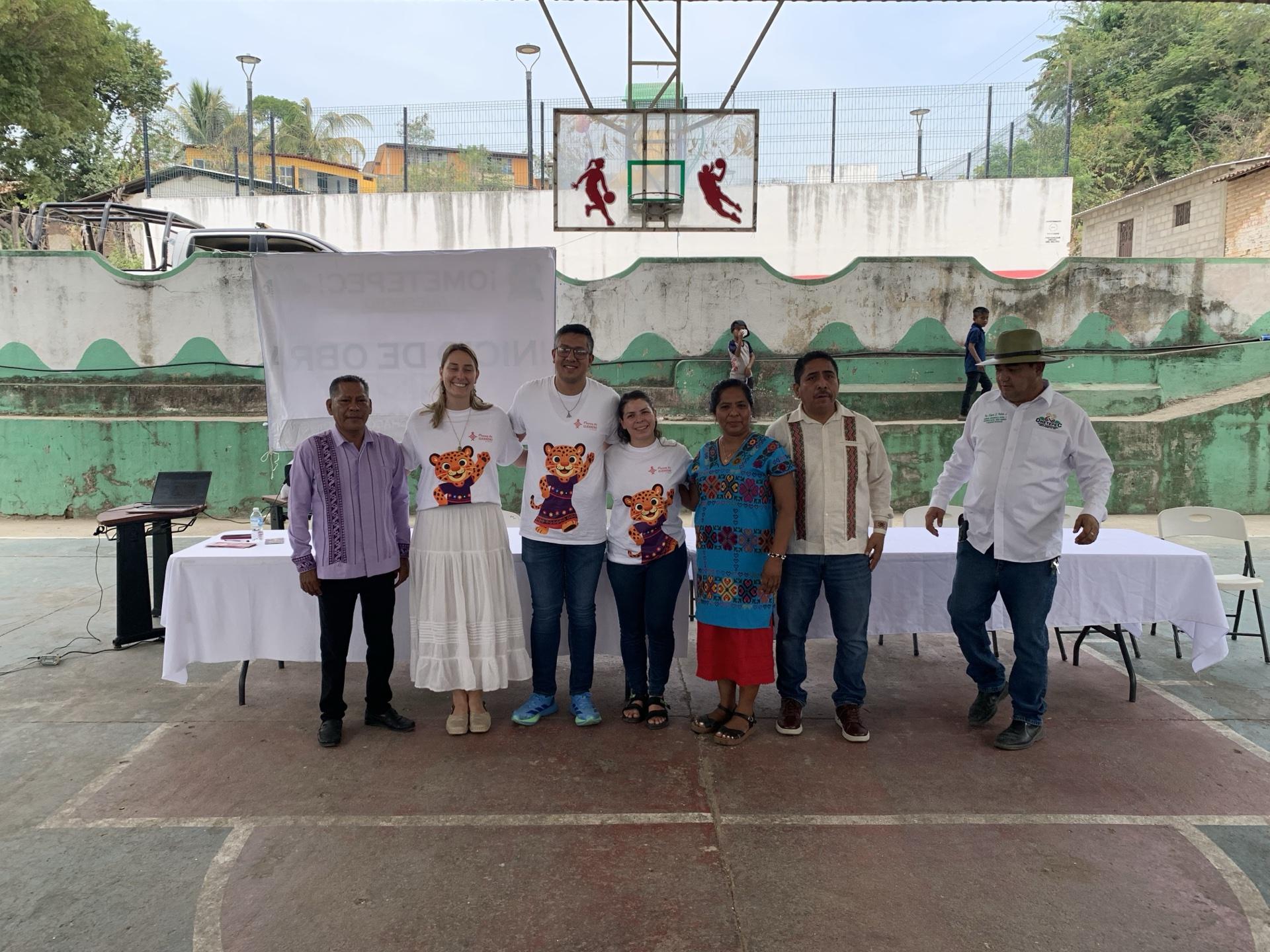
Manos de Guerrero makes that architecture explicit. It is not just another program: it is the live demonstration of how, when partners align in the same territorial deployment, a community changes its real capacity to generate income without having to migrate.
If your organization wants to join this architecture (by sponsoring connectivity or weaving a similar partnership in another state), reach out.
Gallery
Tlacoachistlahuaca
-

Welcome to the Manos Creativas workshop (April 17) -

Part of the cohort at the close of the first workshop -

Hand-embroidered huipil by a workshop participant -

One-on-one coaching -

The volunteer shirt holds the full alliance in one image
Zacualpan, Ometepec
-

Embroidery in action during the workshop (April 18)
Xochistlahuaca
-

Opening of the workshop in the Amuzgo municipality (April 19) -

Volunteer and artisan, same fabric -

The red huipil, signature garment of the Amuzgo municipality -

Amuzgo textiles at the local open-air market